Britain’s love affair with running shows no sign of slowing down. The Covid‑era boom that saw millions take to the pavements has evolved into a sophisticated, tech‑enabled and community‑driven movement. From parkrun milestones to record‑breaking marathon ballots, the figures suggest 2026 could be the most exciting year yet for runners and marketers alike.

The numbers paint a picture: participation hits new highs
Record‑breaking participation and mass events
- Active population: Sport England’s latest Active Lives survey shows that 63.7 % of adults in England meet the Chief Medical Officers’ activity guidelines, equating to 30 million adults playing sport or taking part in physical activity every week. This is 2.4 million more active adults than in 2016.
- parkrun milestones: parkrun UK now hosts 1,395 events across 899 locations with over 4 million unique finishers, 73 million finishes and 526,672 volunteers. These statistics, updated in March 2026, highlight the scale of community running. A study of 80,000 UK parkrunners found that 74 % reported improved life satisfaction through running or walking and 73 % said volunteering improved their wellbeing, generating an estimated £689 per person per year in social and economic benefits. Over 260,000 people participate in more than 1,200 parkrun events each weekend.
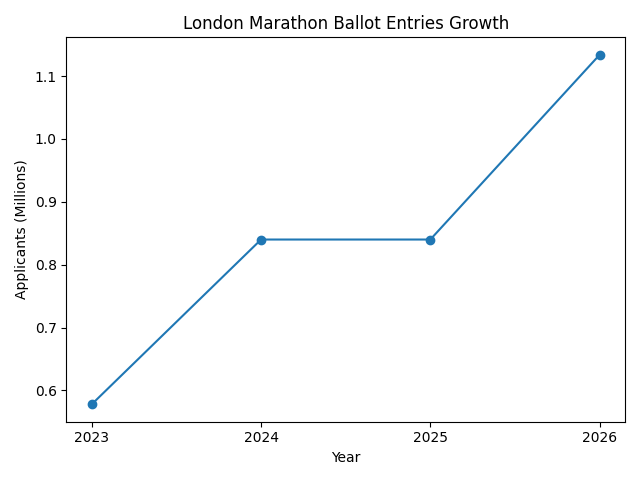
- London Marathon fever: The 2026 London Marathon ballot shattered all previous records with 1,133,813 entries – 869,803 from the UK and 264,010 from overseas. The gender split was almost equal (49.87 % men, 49.55 % women) with 5,044 non‑binary applicants. More than 56,500 runners finished the 2025 race, and the next edition takes place on 26 April 2026. Running industry analysts note that over a third of 2026 entrants are aged 18‑29, illustrating how Gen Z has embraced distance running.
- Mass participation dynamics: Eventrac’s 2025/26 report shows that the 25–39 age group is now the primary driver of race entries. The 35–39 bracket alone adds 15 % of new participants. Transactions are increasingly digital – 75 % of race purchases are completed via Apple Pay or Google Pay, and the average entrant travels only 24–26 miles to events. Running still accounts for 80 % of bookings, yet walking events grew 13.4 % and half‑marathon entries jumped 25 % year‑on‑year. However, retention remains a challenge: only 26 % of participants return to the same event organiser.
- Gen Z surge: The Running Industry Alliance’s Rewind24 report noted a 39 % year‑on‑year increase in Great Run participation between 2023 and 2024, with 53 % of entrants in 2024 being first‑timers and 47 % aged 35 and under. Women now make up 46 % of runners, narrowing the gender gap. Gen Z’s enthusiasm is also evident in the London Marathon ballot where entry numbers doubled among 20‑29‑year‑olds compared with 2025.
Fitness communities and hybrid events
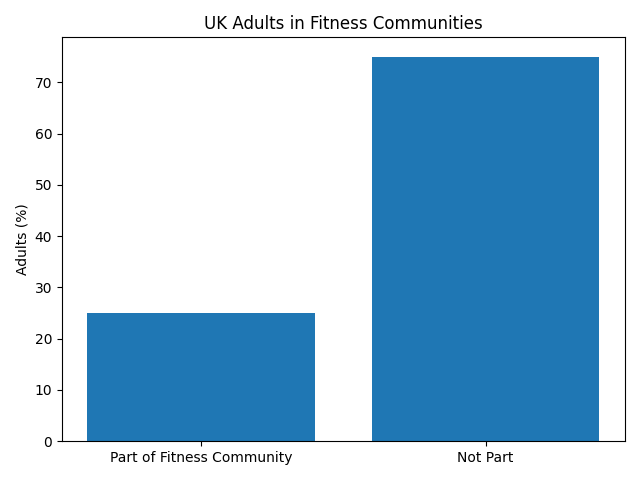
- Fitness communities matter: Research from Nuffield Health surveyed 2,000 UK adults and found that 25 % of Britons now belong to a fitness community such as a running club or CrossFit group. Within this group, 52 % report an improved social life and 46 % experience reduced feelings of loneliness. Importantly for marketers, 57 % say their group increases motivation and 56 % are more likely to stick to their fitness routine.
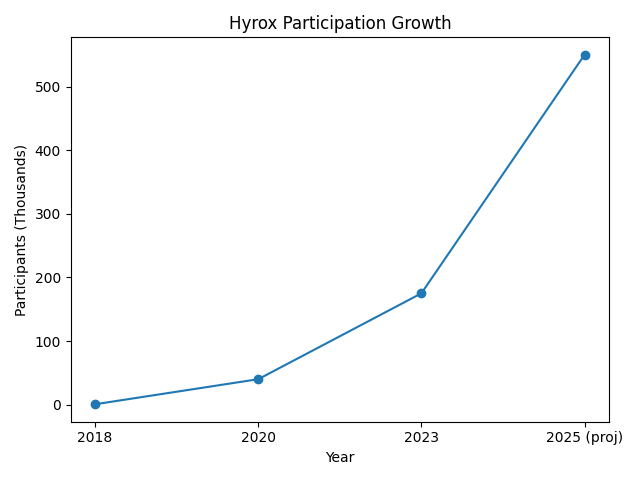
- Hybrid and functional fitness races: The fitness‑racing phenomenon Hyrox shows how running and strength training are merging. After drawing just 600 athletes in 2018, Hyrox grew to 175,000 participants globally in 2023 and projects 550,000+ athletes in 2025. The UK accounts for around 60,000 athletes and more than 350 affiliated gyms. Events like Hyrox illustrate consumer appetite for mixed‑discipline challenges and premium, community‑driven experiences.
Beyond the obvious players: a distinctly British marketing landscape
Big brands such as Nike and Adidas continue to dominate, but the UK running market has developed its own character. British heritage brands like Ronhill and Montane leverage their local roots to stand apart. For example, the Montane Minimus Lite waterproof jacket gained acclaim for keeping runners “bone dry” during wet UK winters thanks to seam‑taped zips and lightweight Pertex Shield fabric. Specialist retailers like Runners Need and Run and Become act as community hubs, offering gait analysis, club meetups and expert advice. Their understated, service‑led approach feels intrinsically British.
The weather itself shapes product design and marketing. Waterproof and reflective gear remains a key category. Meanwhile, Science in Sport (SiS), founded in London, has built trust by fuelling British Olympians and emphasising evidence‑backed nutrition, resonating with consumers who value authenticity and scientific credibility.
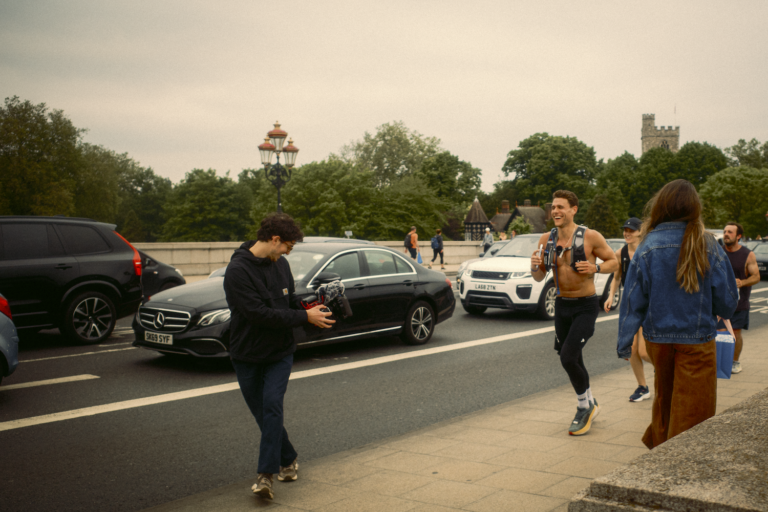
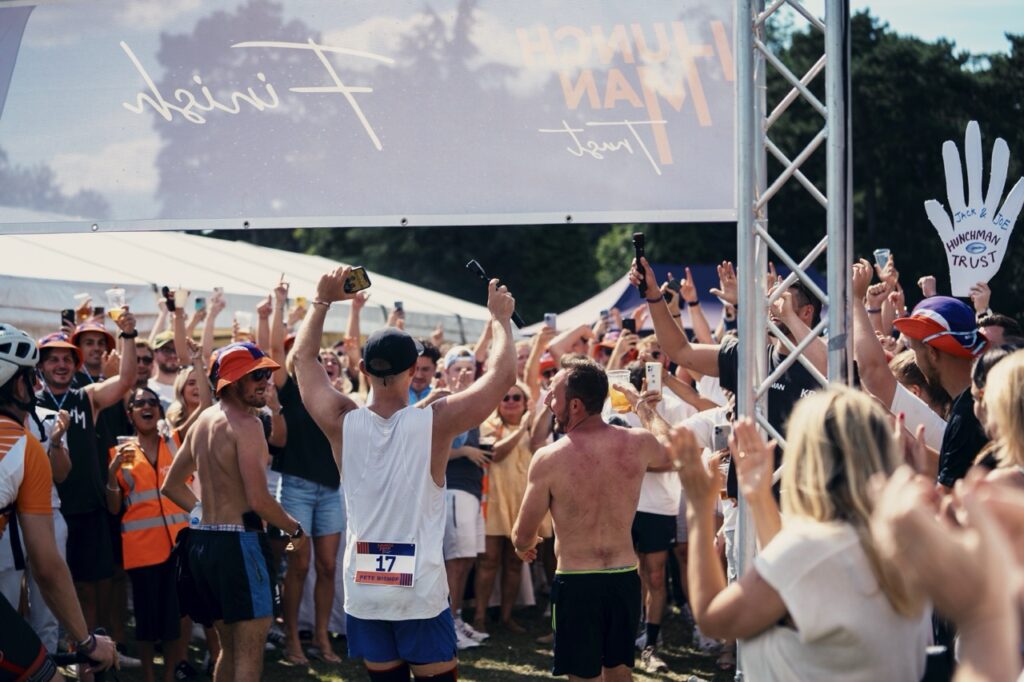
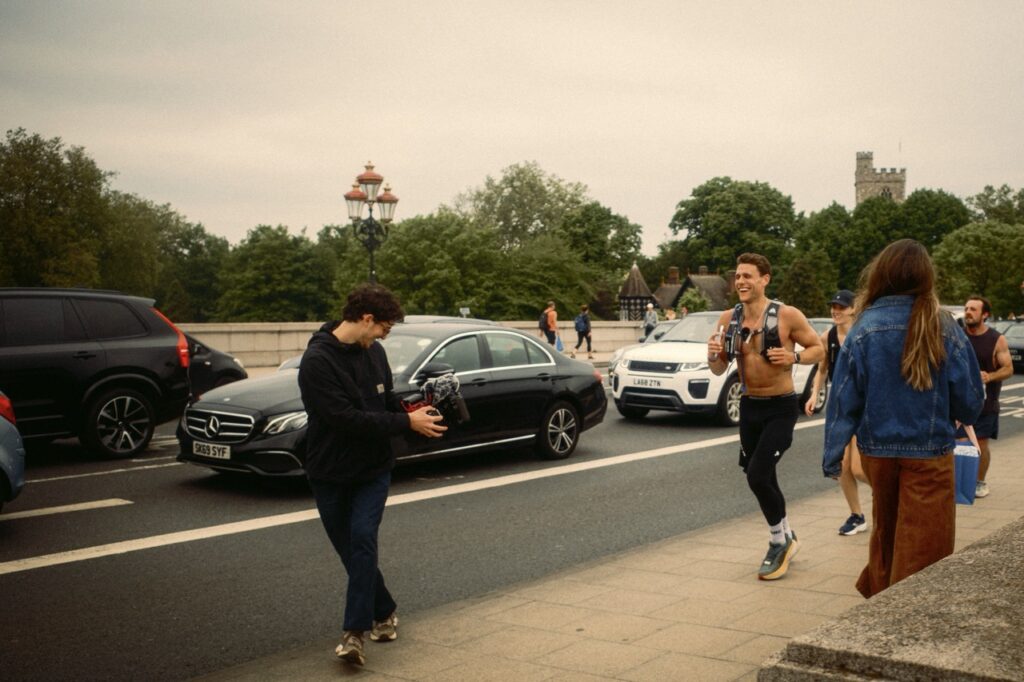
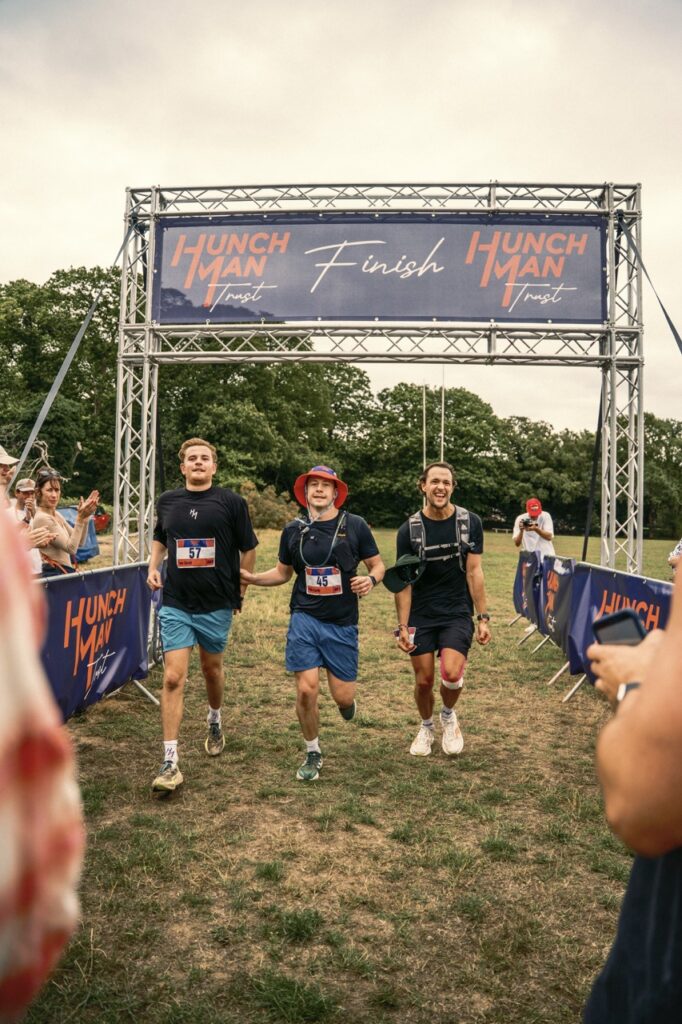
Floom Creative’s work captures this nuance. In our video for Run Hunchman Run, a group of 25 runners completed two marathons over two days for The Hunchman Trust, raising more than £33,000 and strengthening community bonds. By documenting real emotions rather than slick advertising, the film demonstrates why documentary‑style content resonates – a topic we explore further in our post on documentary‑style sports storytelling. When brands show vulnerability, community and purpose, audiences respond.
The digital revolution: apps, Strava and Gen Z habits
Running’s growth is inseparable from technology. Platforms and apps help newcomers train, connect and share progress.
- Strava’s dominance: Strava had 180 million registered users in 2025 and recorded 4 billion activities. The company’s Year in Sport report highlights that running remains the top activity and that new clubs on Strava nearly quadrupled in 2025, reaching one million clubs, with running clubs growing 3.5×. Gen Z users are 75 % more likely than Gen X to cite racing as motivation, and 30 % plan to spend more on fitness in 2026. The platform saw 14 billion kudos given in 2025, reflecting the social validation that keeps runners engaged.
- Couch to 5K pipeline: The NHS’s Couch to 5K programme continues to bring new runners into the fold. Since its launch in 2016 the app has been downloaded over 7 million times, with 790,000 downloads in 2024 alone. Users started 9.3 million runs and completed 8.7 million runs in 2024, with May being the most popular month. For brands, this government‑endorsed pipeline represents a steady influx of novices seeking gear, nutrition and training support.
- Digital wallet adoption: As Eventrac’s research shows, 75 % of race transactions now happen via digital wallets like Apple Pay and Google Pay. Marketing teams should ensure frictionless mobile checkout and explore contactless activations at events.
Community marketing: parkrun and beyond
The UK’s community‑focused running culture creates unique marketing opportunities.
The parkrun effect
parkrun’s non‑commercial ethos initially made it tricky for brands to engage, but its success offers lessons. The programme’s free, weekly 5 k runs attract over 260,000 participants across 1,200 UK events each weekend. The study of 80,000 parkrunners showed that participation and volunteering improved life satisfaction for 74 % and 73 % of respondents respectively, and that parkrun delivers £689 per person per year in economic benefits to the UK economy and NHS. Sponsoring volunteer recognition programmes, providing equipment or supporting parkrun’s mental‑health initiatives can earn goodwill without compromising its values.
Run clubs and social tribes
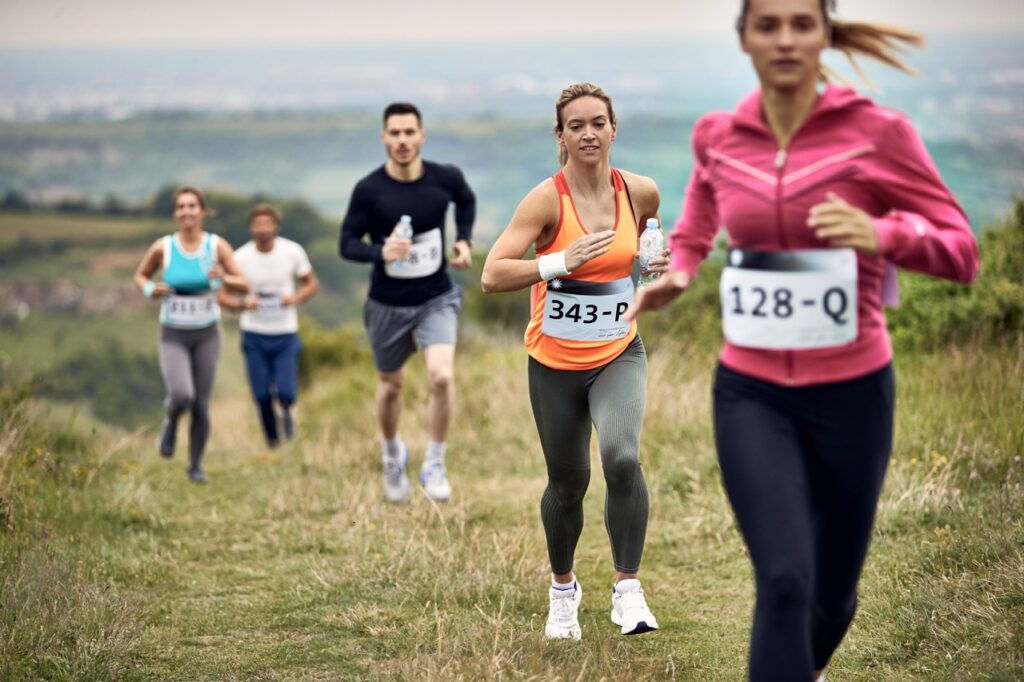
The rise of running crews exemplifies how community drives the boom. Gen Z runners view clubs not as training groups but as social tribes; a Hybrid Magazine feature noted that 37 % of Gen Z view exercise as their new way to socialise, replacing drinking culture. Running Industry Alliance research found that young runners over‑index on half‑marathon participation and that run crews give women a sense of safety and camaraderie. Local clubs like Bicester Striders have seen membership surges, and volunteer‑led events remain oversubscribed.
For marketers, this means investing in club partnerships—offering kit deals, coaching sessions and exclusive content. Floom Creative’s own case studies, such as Run Hunchman Run and Hunchman 4 Marathons in 24 Hours, show how community challenges create powerful storytelling moments. For event organisers, our guide on how to promote and capture your sports event offers practical tips on using video, drone footage and social content to amplify community engagement.
Charity and social impact
Britain’s running events remain closely tied to charitable causes. The London Marathon raises more than £60 million for charity each year—the largest single‑day fundraising event in the world. Floom Creative worked with The Hunchman Trust to document challenges that support mental‑health awareness, showing how purpose‑led storytelling can amplify fundraising. Brands that align with causes—from mental health to environmental restoration—earn authentic credibility.

Psychology of British running: what motivates 2026 runners?
Several distinctive psychological factors underpin the UK running boom:
- Participation over performance: The British attitude of “having a go” values taking part more than finishing time. Events like the Great North Run pride themselves on being accessible to all abilities. Marketing that celebrates completion, personal milestones and camaraderie resonates more than elite‑focused campaigns.
- Weather pride: Running through rain, wind and darkness is a badge of honour. Campaigns that acknowledge the grit required to train in British winters (for example, Montane’s waterproof gear) connect with runners who wear their weather battles with pride.
- Self‑deprecating humour: British runners appreciate campaigns that gently poke fun at early‑morning runs, soggy shoes and Strava obsession. This humour creates relatability and breaks down perceived elitism.
- Shift in socialising: As noted above, Gen Z is replacing pub nights with run club meetups—an opportunity for brands to position running as a social experience.
- Mental‑health awareness: parkrun’s study shows the wellbeing benefits of regular running and volunteering. Brands that authentically support mental‑health charities or create products acknowledging the mental benefits of running can tap into a growing sentiment.
Challenges facing UK running marketers in 2026
While participation is booming, several headwinds require careful navigation:
- Economic pressures: The cost‑of‑living crisis continues. Participants prioritise value and durability. Half‑marathon entry growth suggests runners are willing to spend on meaningful experiences, but retention remains low. Marketers should emphasise long‑term value, multi‑use products and loyalty incentives.
- Brexit supply chains: Increased import costs and disrupted European race travel encourage localisation. Brands like Ronhill that manufacture domestically can emphasise “Born in Britain” credentials.
- Weather unpredictability: Uncertain weather makes seasonal campaigns risky. Agile marketing that adapts to heatwaves, storms or snow will perform better than fixed seasonal messaging.
- Urban air quality: Pollution concerns, especially in London, drive interest in apps that map cleaner routes or gear that mitigates pollutants. Collaborations with environmental initiatives, like those discussed in our piece on sustainability in football, can demonstrate commitment.

Innovation and future trends: what’s next?
Looking ahead, several trends will shape the running market:
- Sustainability as standard: British runners increasingly demand environmentally responsible products. Brands that use recycled materials, offer repair services and practise transparency will stand out. Our blog on the impact of greenwashing explains why authentic sustainability matters.
- Trail and adventure running: Participation in ultra‑ and trail‑running events is surging. Races like Ultra Trail Snowdonia and the Dragon’s Back challenge offer new terrain for marketing partnerships. Brands must understand unique kit needs and storytelling opportunities on the fells and highlands.
- Virtual and hybrid racing: Pandemic‑era virtual racing isn’t disappearing. Platforms that recreate famous British routes or allow participation from anywhere are popular. Integrating real‑time data overlays and gamification can elevate the experience.
- Health data integration: As consumers grow more comfortable sharing fitness data, brands will use wearables and AI to deliver personalised training plans and product recommendations. However, GDPR and privacy concerns will shape implementation. Strava’s insights show Gen Z’s enthusiasm for wearable technology.
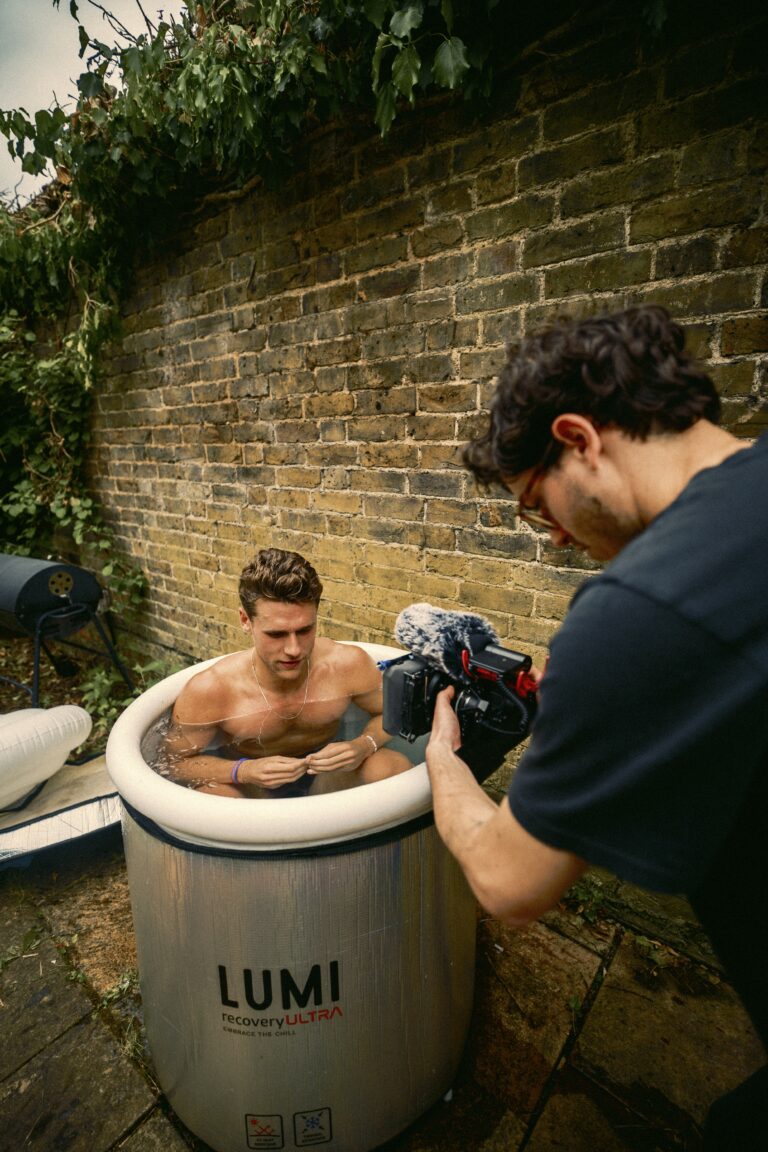
- Holistic wellness: Running is merging with wellness pursuits—from breathwork and cold‑water therapy to infrared saunas. Brands like SAUNAPOD CO (a forthcoming e‑commerce business launched by Floom Creative’s founders) cater to this trend, offering home infrared saunas to aid recovery and mental wellbeing.
The economics of running: a market in motion
The UK running market—including footwear, apparel, accessories, events and services—was estimated at £2.5 billion in 2025. Broader fitness industry reports project overall UK sports and fitness revenues at £5.7 billion in 2026, reflecting 8.8 % growth from 2023. Sport England calculates that community sport and physical activity deliver over £100 billion in annual social value and return £4.20 for every £1 invested. Event tourism is a major economic driver: marathon weekends boost local hospitality and retail; Hyrox participants spend £200–£400 annually on entries, travel and kit. Running’s economic impact extends beyond consumer sales into employment, media and health savings.
Retail channels are also evolving. Specialist stores have become experience centres offering gait analysis and community runs. Online channels grow, but runners still value in‑person fitting and advice. Second‑hand and rental markets are expanding as consumers seek sustainable options. Direct‑to‑consumer brands must therefore complement e‑commerce with community engagement and ethical practices.

Looking ahead: the future of UK running marketing
Success in this market hinges on authentic community engagement, technological innovation that solves real problems for British runners, and sustainability that aligns with consumers’ values. Brands that co‑create with runners—listening to their experiences, partnering with clubs, supporting volunteers and charities—will thrive.
As British runners plan their next adventures, they are not just seeking products; they are seeking purpose, connection and stories. Whether through documentary‑style films, drone‑captured event coverage or engaging social media, marketers must tell genuine stories and show how their products enhance the long‑term running journey. The finish line for UK running marketing isn’t visible—because in this culture, every finish line signals the start of a new adventure.
Ready to tell your story? At Floom Creative, we specialise in shaping narratives for sports brands and athletes. Explore our other posts—such as drone filming for sports events, storytelling in sport and If you’re a running or outdoor brand wanting to reach this audience, our outdoor brand marketing services were built for it.