Running in 2026 looks nothing like it used to. The grit of the 5am solo runner still exists – but gone are the days where they’re the main character. We’re in the midst of third great running boom, and the figures speak for themselves. Run clubs have become the social spaces nightclubs once were, with more than a million people now applying for the London Marathon. This movement is not exclusive to one genre of consumer or brand, in fact, it’s far from it. What we’ll take a look at is precisely how running brands have leveraged 360 campaigns, leading them to become an extension of the culture, not just sideline watchers.
Marketing towards running culture comes with its challenges. Where short attention spans and second-screen viewing are flooding communication channels, a logo on a vest simply isn’t enough to drive growth. Here’s the thing, the modern runner chasing a sub-two-hour marathon and the community of Gen Z women finding their ‘happy pace’ are not looking for two separate products. They’re looking for a story they can see themselves in. A 360 running campaign is precisely how a brand delivers to both, simultaneously.
What does a 360 running campaign look like?
This particular style of campaign operates as a full-funnel strategy that delivers one cohesive message across every point of customer contact – fully integrated.
It’s not about appearing on every channel at once and hoping something connects. What 360 marketing does is create the illusion of omnipresence through data-guided placement. To get a picture of what this looks like in practice, let’s take these four inter-locking cogs as an example. What 360 campaigns do is they behave like flywheels. They maintain momentum between the major calendar moments, rather than switching off the moment a race ends.
Four layers carry the work:
- Paid
- Organic
- Experimental
- Content
The Anatomy of a Full-Funnel Campaign
Marketing in general has shifted from a support function into a strategic system — less a series of disconnected outputs than a single integrated architecture engineered to move an audience from awareness through to advocacy. A 360 campaign is the clearest expression of that shift. Rather than pushing one message through one channel, it coordinates every touchpoint so the brand appears consistently wherever its audience already spends time.
Whether a runner is scrolling through Strava, lining up at a social run, or watching a global relay, the message should feel consistent, intentional, and personally relevant, retold in the native language of each platform. Consistency to this degree is vital now more than ever; with attention being more fragmented than at any point in marketing history, consistency is the mechanism that converts scattered impressions into recognition, and recognition into trust. Consistent brand presentation across all platforms has been shown to increase revenue by up to 33% — Marq . The sections that follow break the model down layer by layer — paid, organic and community, experiential, and content — examining not only how each operates on its own, but how they compound when run as one.
The Four Layers:
1. Paid - Scaling the moment
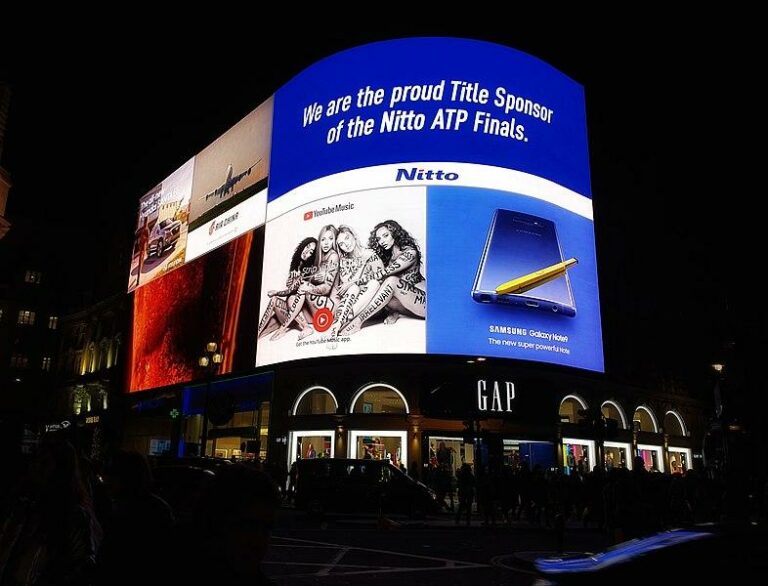
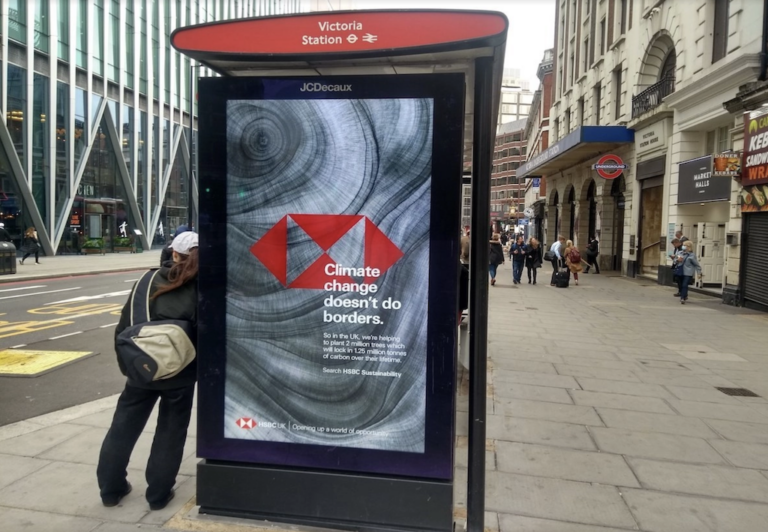
Organic reach alone will no longer take a brand to its full potential. Paid media is the fuel for discovery – the way new audiences find you. But at the top of the funnel, the goal is not to push a "buy now" message. It's to first meet runners where their attention genuinely sits: the questions and concerns that occupy every runner's mind, simple things like the trade-off between high-tech super shoes and long-term joint health.
Nikes "So Win" commercial outperformed all of their competitors back in 2025, based solely on their ability to scale the moment.
The campaign's success wasn't measured by a viral sold-out product, it hit record numbers because they tapped into the cultural relevance of women's sports. When implementing a 360 running campaign, understanding what the social climate feels/looks like is the first step to implementing this method of marketing.
Paid media is a core pillar of any 360 campaign, and it's exactly what our Google and Meta ads team does day in, day out.
2. Organic & Community - Nurturing the tribe
Once a runner has noticed you, they look for two things :
- Connection
- Authority
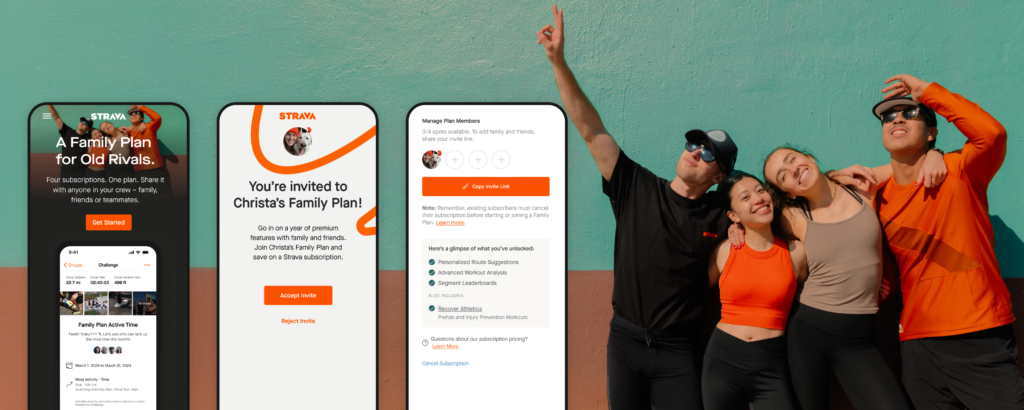
Strava have mastered both these areas through the art of nurturing. Over the years, SQ have often reported on Stravas engagement levels, and what these figures show best is the compounding effect nurturing your consumer base can have on the scale of a business. The graph below shows how the company, which began in 2009 as a GPS for cyclists, has compounded each business strategy without abandoning the last.
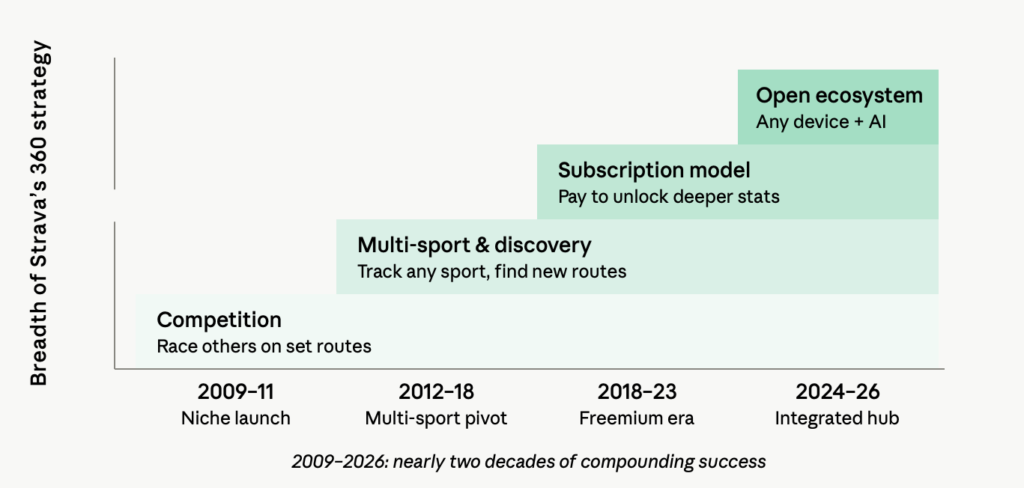
The aim of a 360 marketing strategy is to layer the paid, organic, experiential, and content strategies so that each channel compounds rather than switching off. Stravas success in their field comes as no surprise when taking a look at the graph above. Every era added a capability that stayed and stacked, turning a single competitive feature into a self-reinforcing platform.
3. Experiential - Building worlds people can step (and run) into
This is where followers become genuine advocates. In 2026, brands are no longer simply sponsoring experiences, they are creating them. A real-world memory outperforms a digital impression every time.
Sports clothing brand On are currently hosting an "On Squad Race" relay series, taking experiential marketing to a whole new level. Their call for 600 squads across 20 cities to compete in an obstacle-style relay is a masterclass in funnelling strategy. On have moved their brand off the screen and onto the streets — testing speed and endurance in a format people remember.

There are multiple ways businesses can tap into the experiential layer of a 360 campaign through creative brand activations. Here at Floom, when a company comes to us wanting to expand their experiential marketing, we like to go through a process of:
- Getting to grips — We immerse ourselves in your brand, audience and objectives to build a solid starting point.
- Big ideas — Original, attention-grabbing concepts that spark imagination.
- Make it real — Our in-house team handcrafts every visual and experiential detail.
- Bring it to life — We're on the ground to keep delivery running seamlessly.
- Learn and refine — We track engagement and impact so every campaign proves its worth.
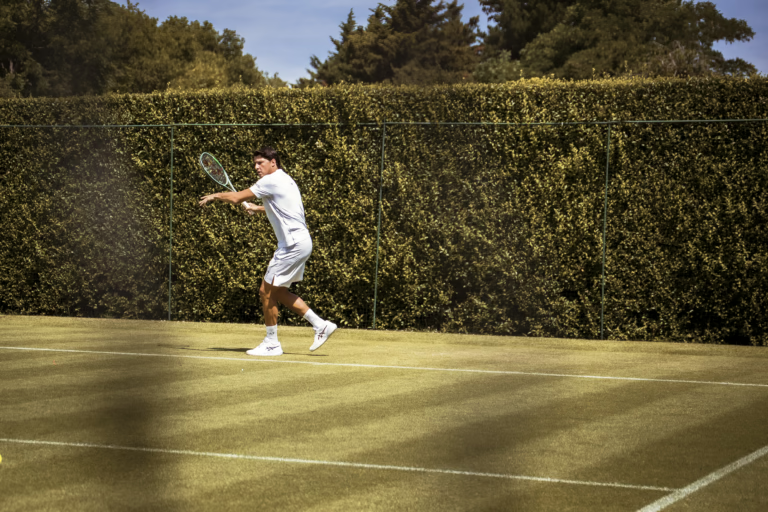
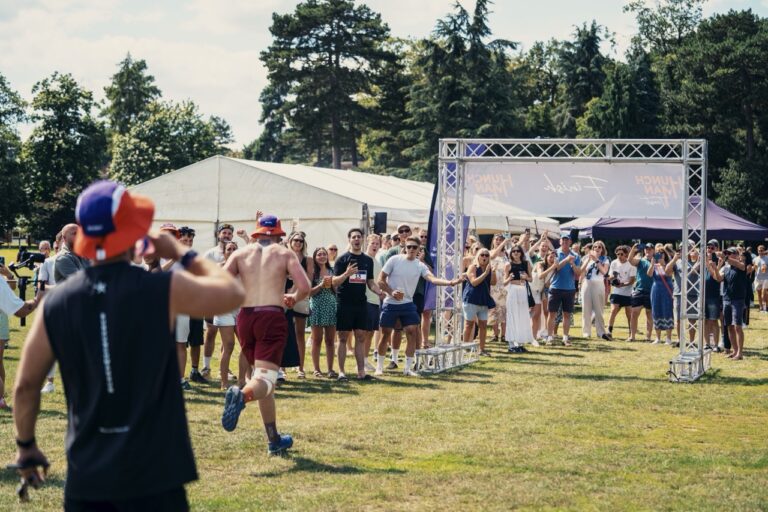
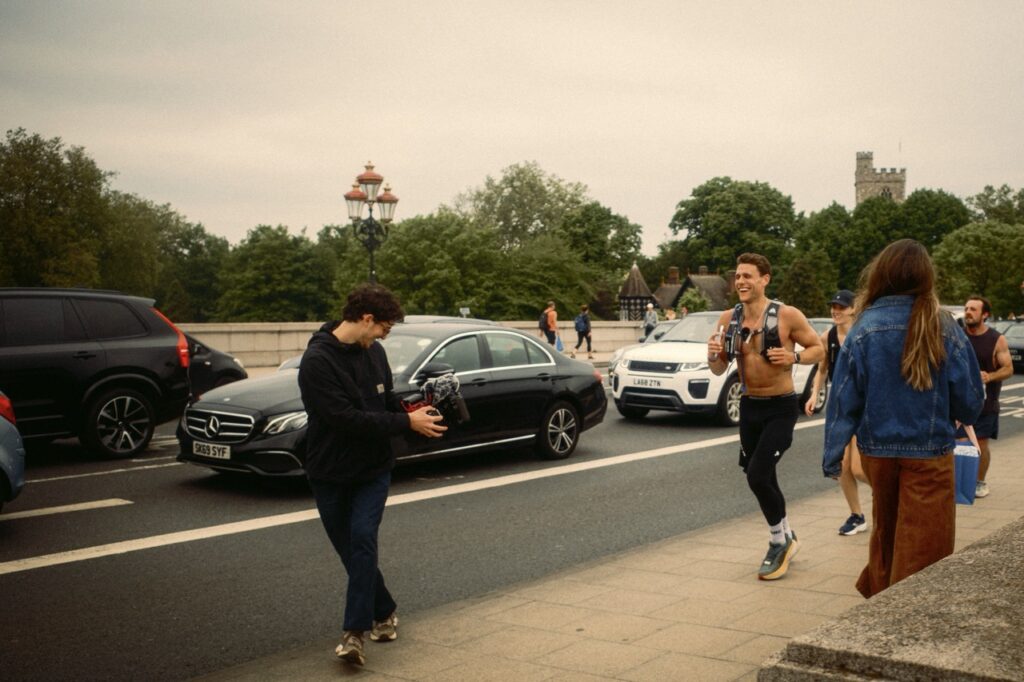
Experiential marketing only works when there's a process behind it. Activations like athlete-led sessions, running retreats or brand-led competitions aren't spontaneous, each one is built backwards from a clear objective, usually to deepen engagement, and every decision serves that goal. Floom's work with The Hunchman Trust shows how this plays out in practice: an act as simple as running, reframed and produced into something far bigger. The value lies in the method: taking a fundraising challenge and weaving experiential marketing through it via photo and video production, step by step, so the activity and the content reinforce one another rather than sitting side by side.
Read more about FloomxHunchman
4. Content - The authentic thread
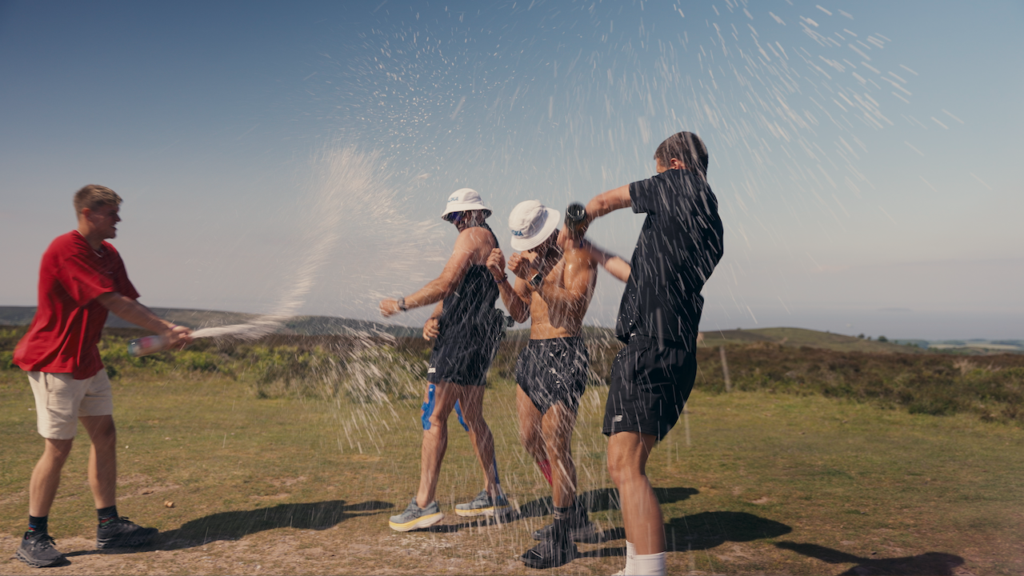
Content is the connective tissue that holds the campaign together. Sports audiences reward one particular quality above all others: Authenticity. Marketing in recent years has pivoted away from glossy, hyper-curated advertising, toward storytelling — the raw preparation, the rituals, the wins and the losses. Audiences recognise inauthenticity immediately.
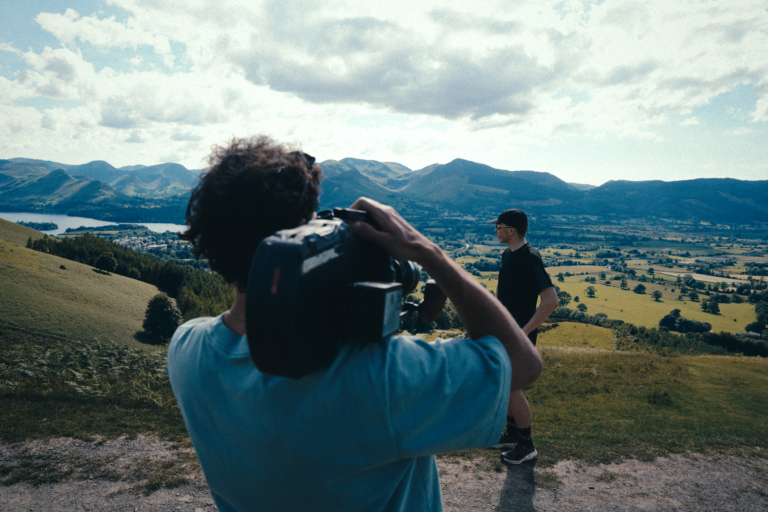
Runners live the early alarms and the unglamorous miles, so it comes as no surprise that anything over-produced bounces straight off. What lands is the honest thread — the nerves, the rituals, the wins that cost something. Capturing that takes more than a camera; it takes knowing which moment matters. That's where we at Floom come in.
Understanding the Power Behind Story
At Floom, we operate as an integrated part of various brands and their 360 strategy. The Varsity Trip 2024 campaign is a prime example of where narrative resonance and innovation come together to paint a story far beyond what consumers may first believe the product can offer. This project look a story-telling approach to content understands above all that what humans want to feel is community; whether that's through partying on the slopes or early starts to beat the sunrise on the mountains. Audiences want authenticity.
More on docu-style marketing here
Why Most 360 Campaigns Look Successful but Fail Commercially
Here is the difficult truth. Impressive-looking campaigns often fall into what we call the Governance Gap. They generate millions of views and high engagement ; numbers that look exciting in a slide deck, yet convert very little of that activity into revenue.
It usually comes down to one issue: properties are organised by channel rather than by outcome. The paid team optimises paid, the social team optimises social, and no one owns the whole picture.
A true 360 campaign requires a single accountable owner who sits above the tactics — with the authority to reallocate budget between paid, organic, and experiential layers in real time, based on commercial performance. When marketing operates as a system rather than a collection of departments, every pound spent — whether on an iconic Airport spot like Nike's 1998 classic or a modern creator partnership — translates into long-term brand equity and pricing power.
Joining the Boom

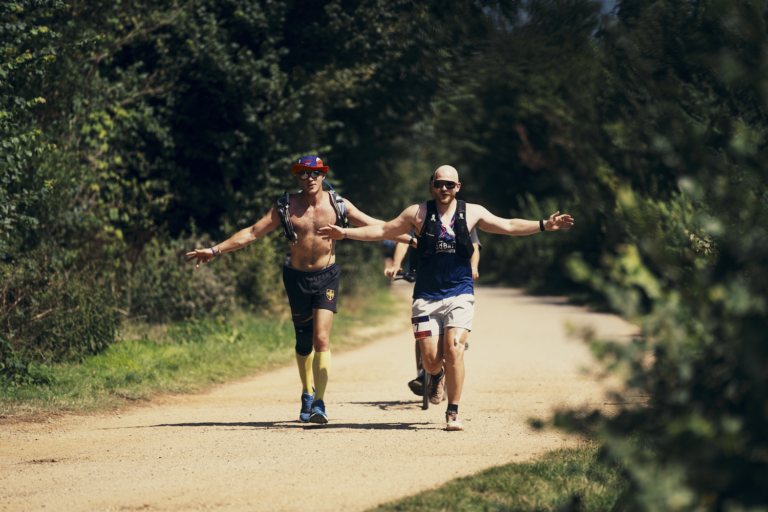
Running, motion and group of people on path together for marathon race, fitness and speed. Fast run.
The 2026 runner is discerning, value-aligned, and deeply connected to their community. To earn their loyalty, a brand has to offer more than a shoe, it has to offer a framework for longevity and connection.
A 360 running campaign is the surest way to ensure a brand is not just a white-hot moment but a lasting part of the runner's daily ritual. Whether you are a heritage powerhouse or a smaller brand doing the most interesting work on the floor of a running vent, the goal is the same.
Move from being a logo they see to a story runners live.
Ready to build a campaign that moves at the speed of 2026? Let's talk