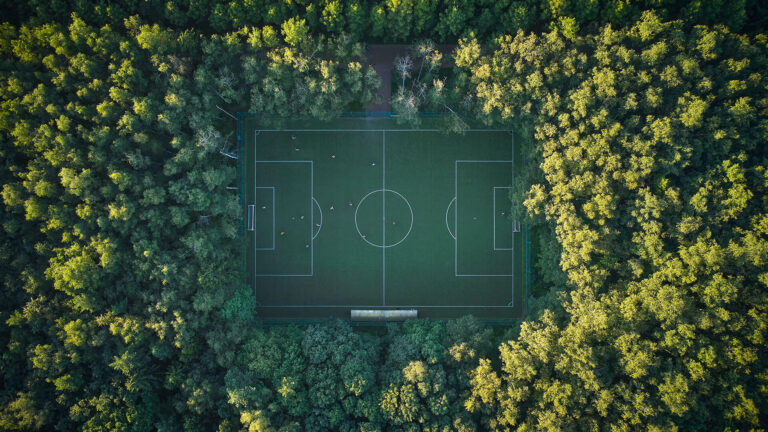
Drone footage has become one of the most powerful tools in modern sports marketing.
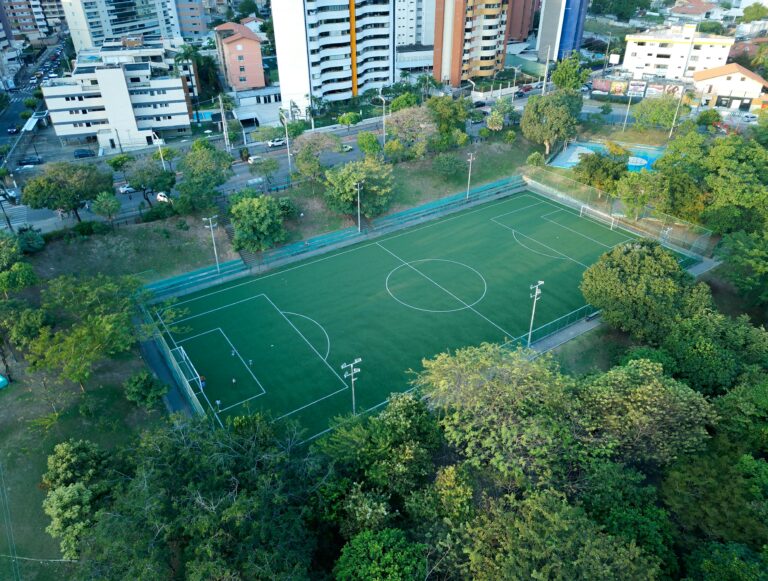
From marathon start lines and trail races to surf competitions and stadium flyovers, aerial footage instantly adds scale, energy and cinematic depth. It helps audiences understand the terrain, the atmosphere and the magnitude of an event in a way ground-level filming simply can’t.
As we explored in our breakdown of the UK Running Boom 2025 and what it means for brands (https://floomcreative.co.uk/uk-running-boom-2025-marketing-trends-apps-consumer-insights/), participation sport is growing rapidly — and with that growth comes higher expectations for content quality.
But drone filming for sports events isn’t just about sending a drone into the sky.
There are legal, safety and strategic considerations that many organisers overlook — and getting them wrong can cause serious issues.
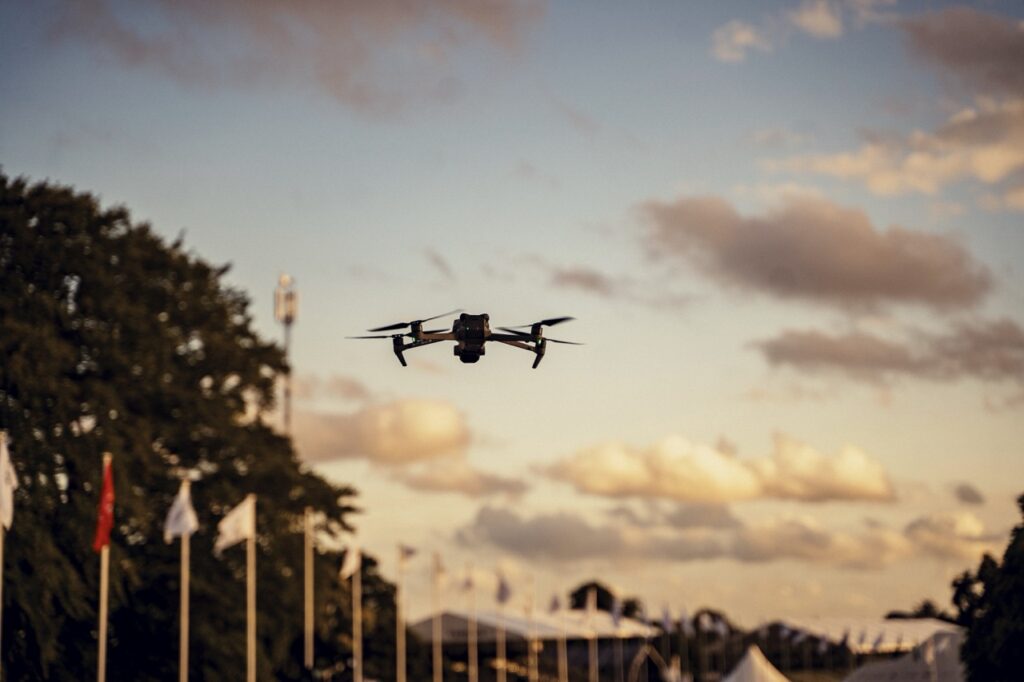
If you’re planning aerial coverage for a sports event, here’s what you need to know.
Why Drone Footage Elevates Sports Content
1. It Captures Scale and Atmosphere
One of the biggest challenges in sports filming is communicating scale.
A drone shot can show:
- The full marathon start line
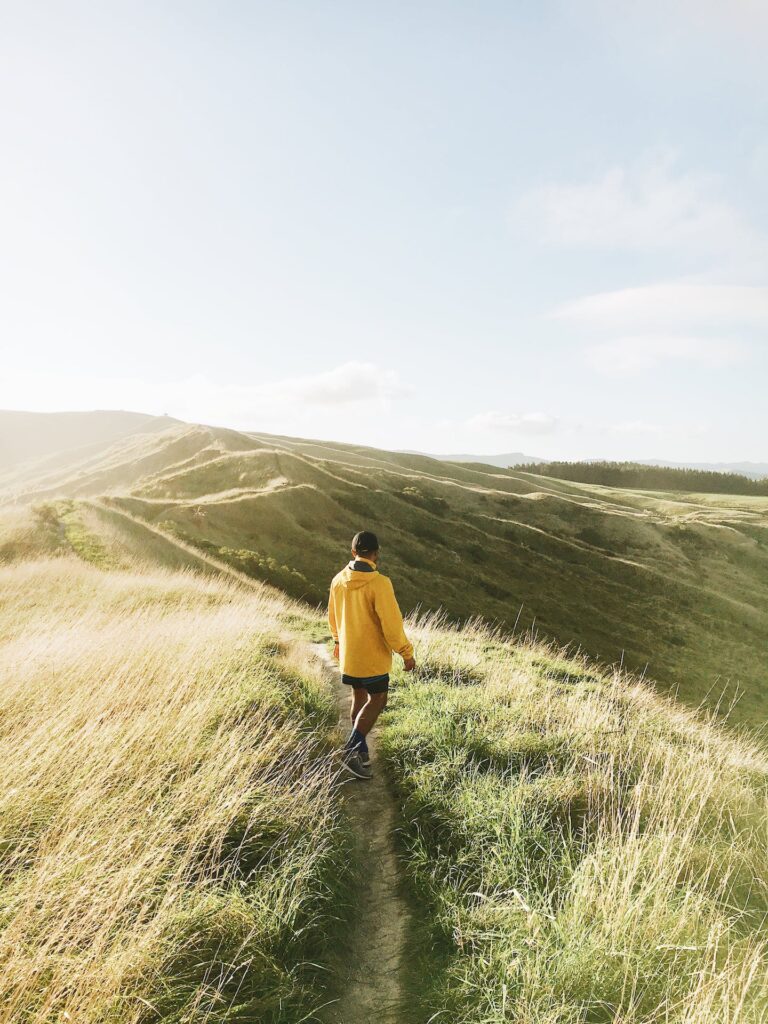
- The sweep of a trail running course
- The crowd density at a finish line
- The geography of a surf break
- The layout of a motorsport circuit
Within seconds, viewers understand the size and impact of the event. This immediately increases perceived production value.
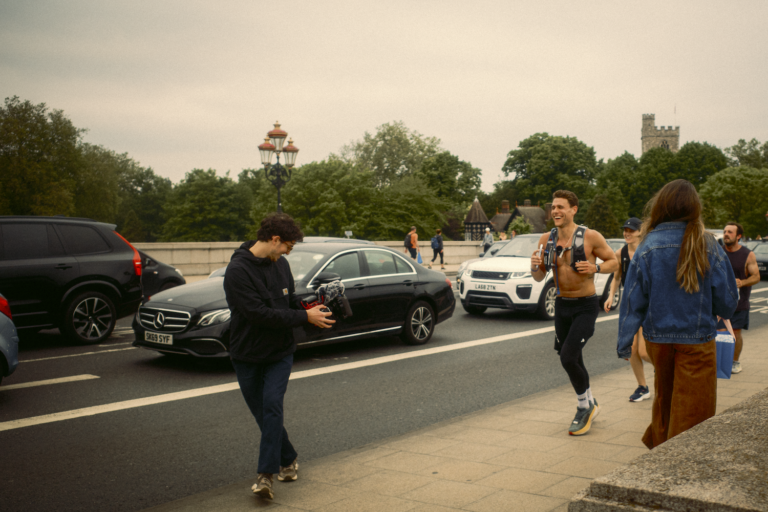
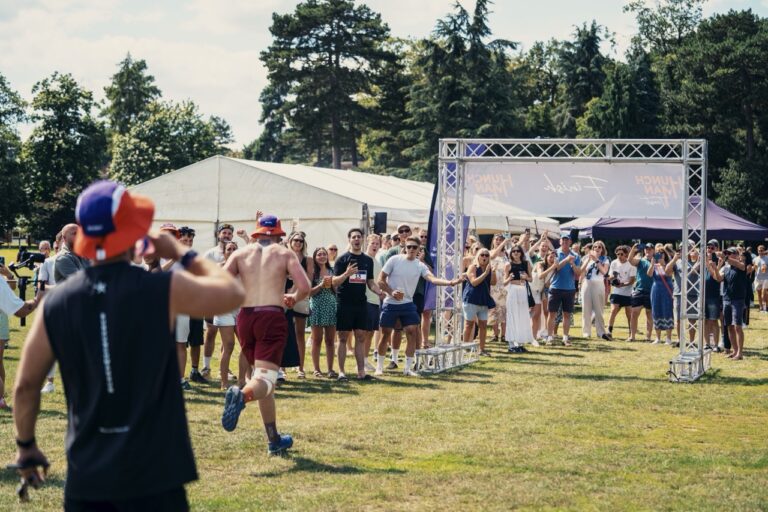
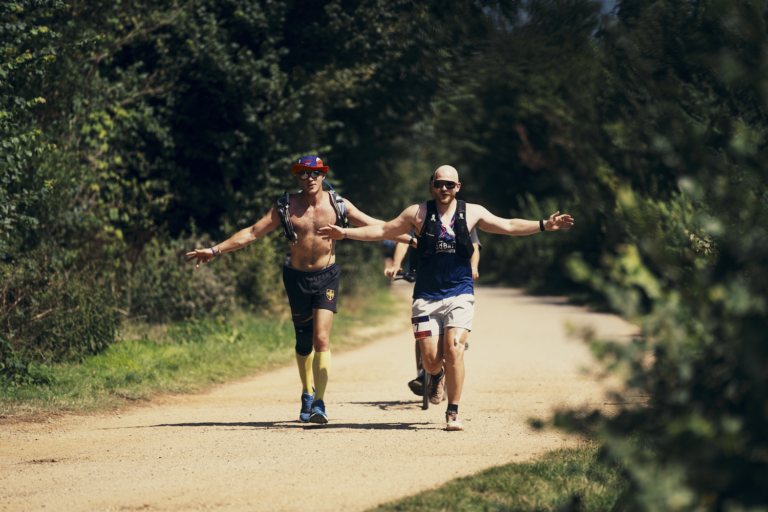
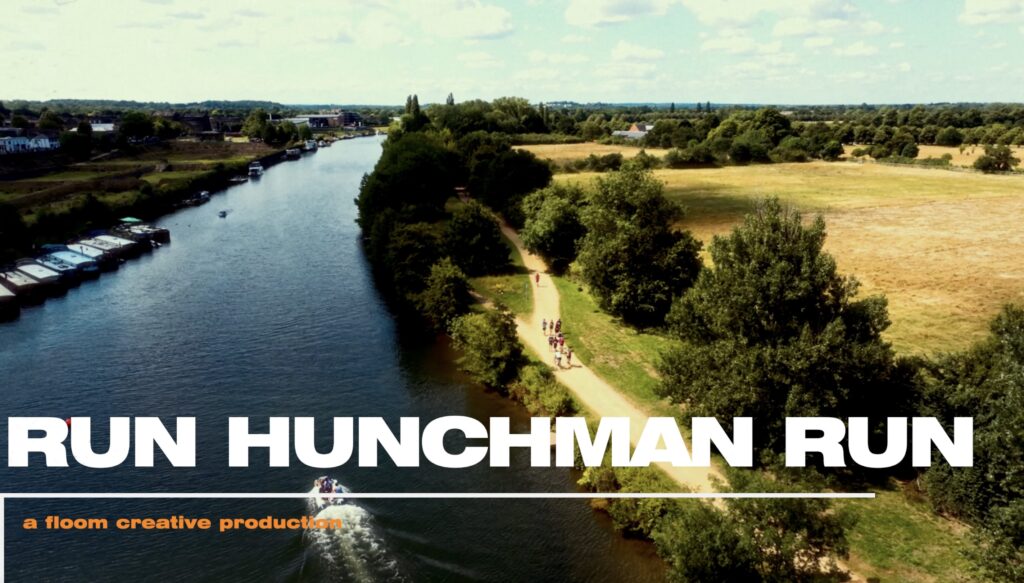
You can see how aerial storytelling enhances large endurance events in projects like Run Hunchman Run (https://floomcreative.co.uk/run-hunchman-run/), where scale and emotion combine to drive real impact.
For sponsors, stakeholders and audiences, scale matters.
2. It Provides Context and Storytelling Depth
Ground cameras capture intensity.
Drones capture context.
For endurance and outdoor sports especially, aerial footage tells a bigger story:
- Elevation gain in trail races
- Coastal conditions in surfing
- Mountain terrain in ski events
- Course complexity in cycling
This aligns closely with the principles we outline in Storytelling in Sport (https://floomcreative.co.uk/storytelling-in-sport/) — where narrative depth, not just action shots, creates emotional engagement.
When integrated properly into a sports brand film, drone shots become emotional transitions rather than just visual decoration.
3. It Creates Scroll-Stopping Social Content
Short aerial clips perform extremely well on social media.
They:
- Hook viewers in the first 3 seconds
- Work brilliantly as paid ad openers
- Improve YouTube thumbnails
- Elevate Instagram and LinkedIn reels
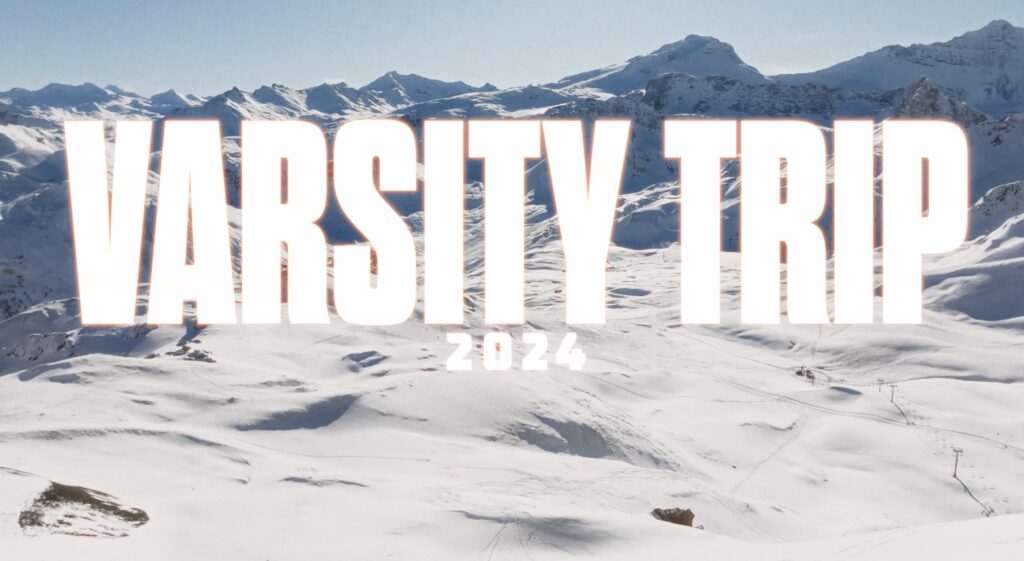
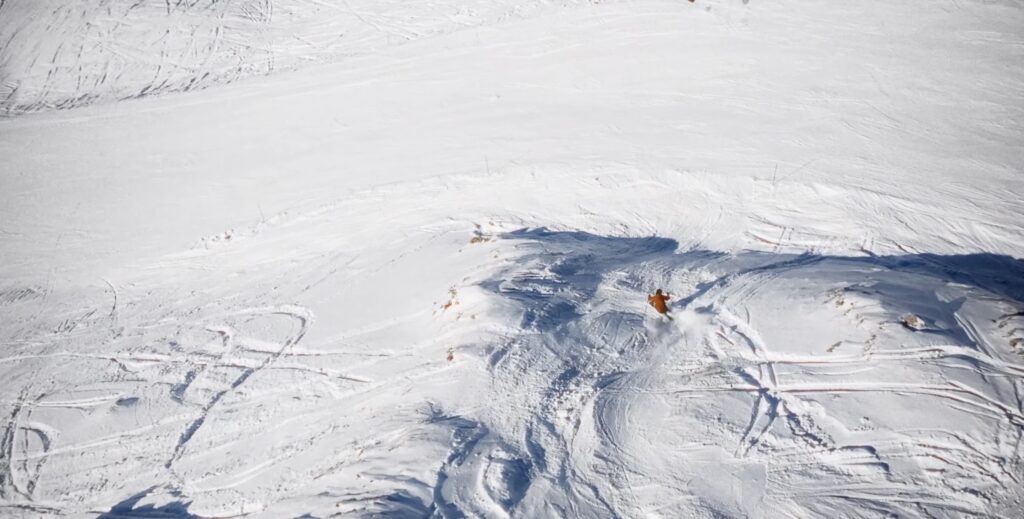
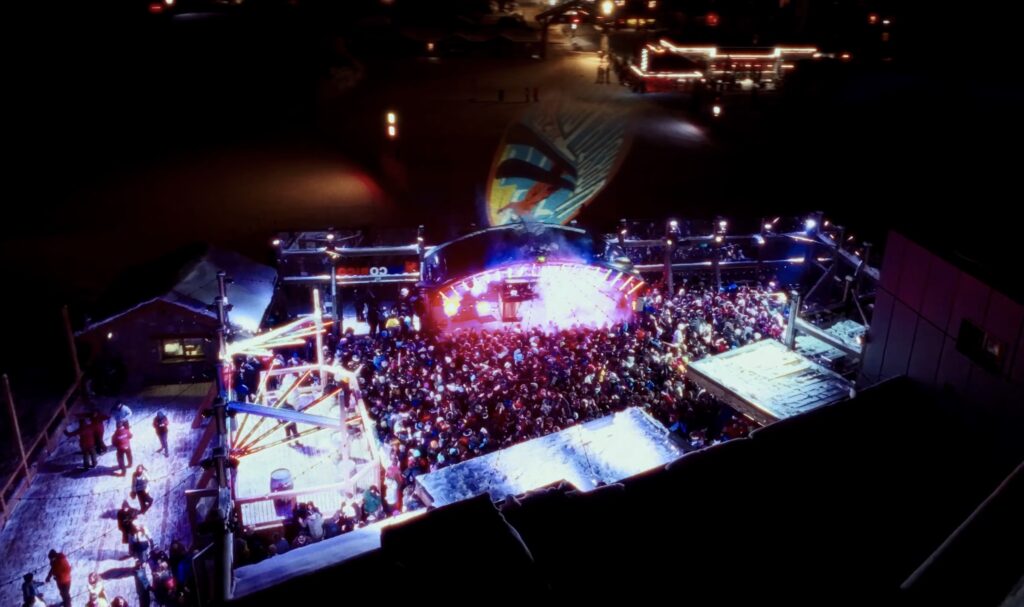
For university-scale events like Varsity Trip 2024 (https://floomcreative.co.uk/varsity-trip-2024/), aerial footage plays a huge role in capturing the energy and community feel at scale.
Used strategically, drone footage can anchor a campaign and then be repurposed into cutdowns for months.
4. It Increases Sponsor Visibility
Sponsors are increasingly focused on return on investment.
Drone shots:
- Showcase branded banners from above
- Capture finish-line arches clearly
- Highlight event zones and hospitality areas
- Show branded race villages in full scale
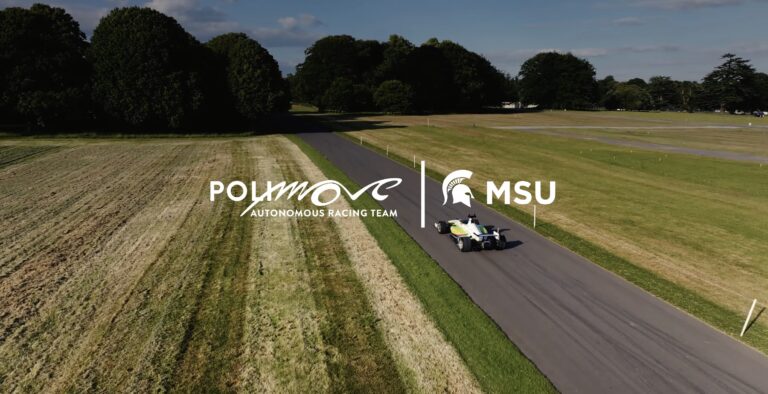
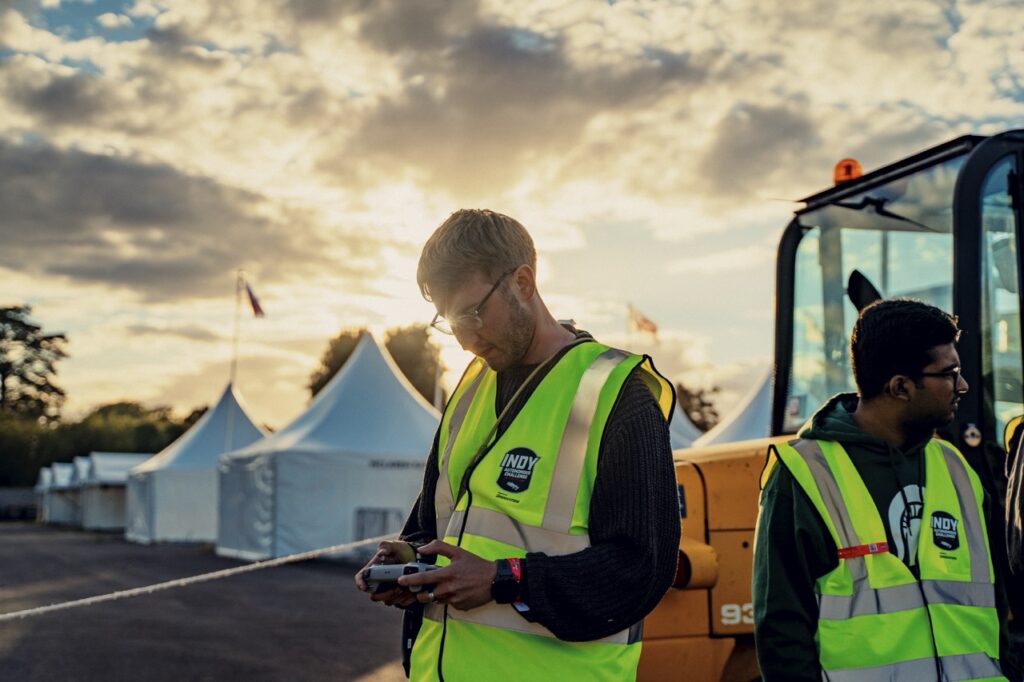
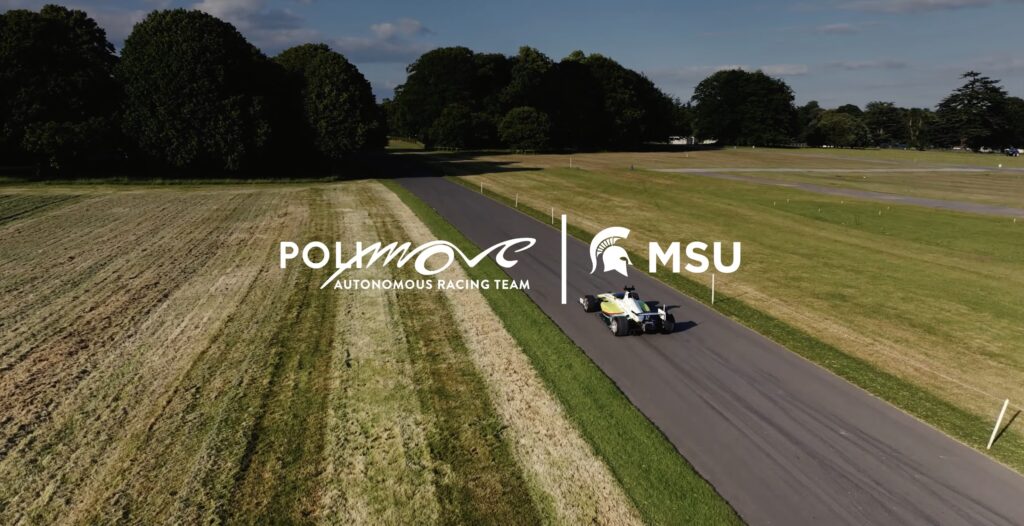
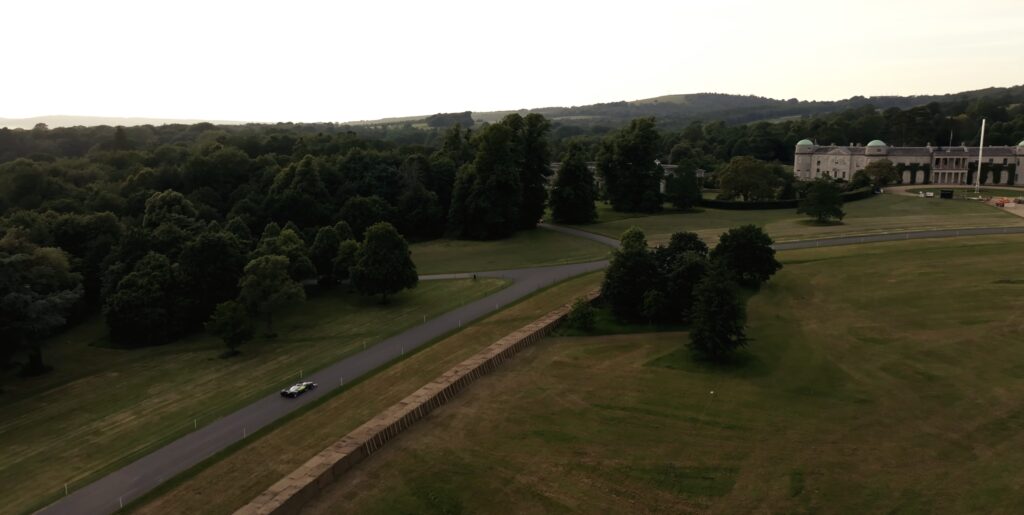
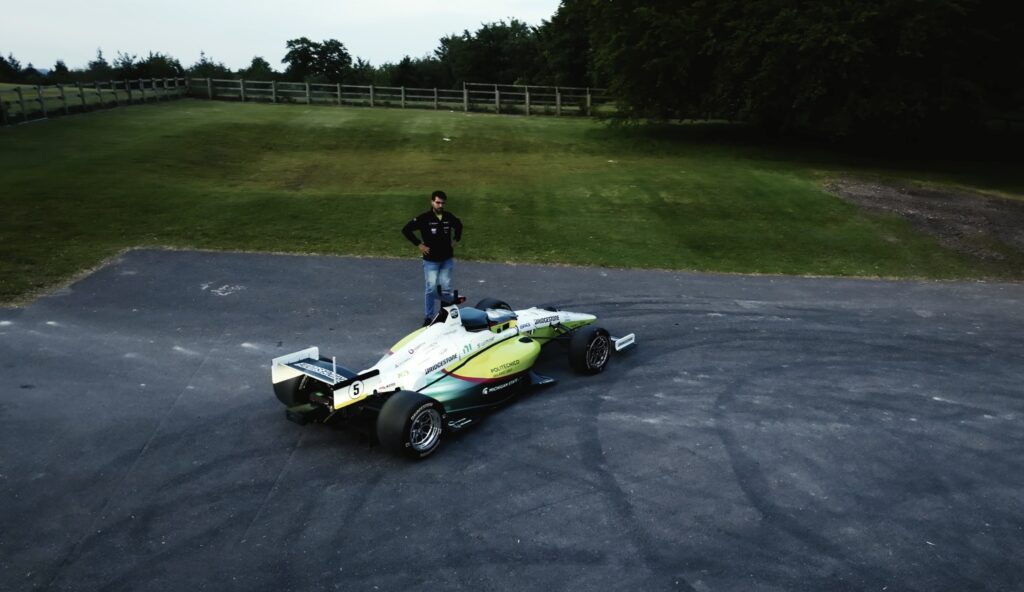
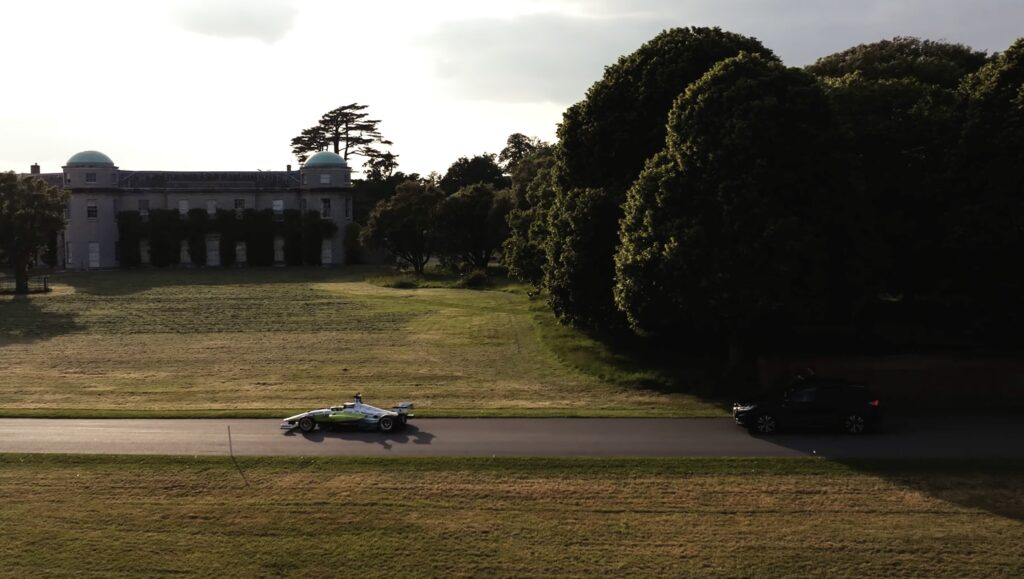
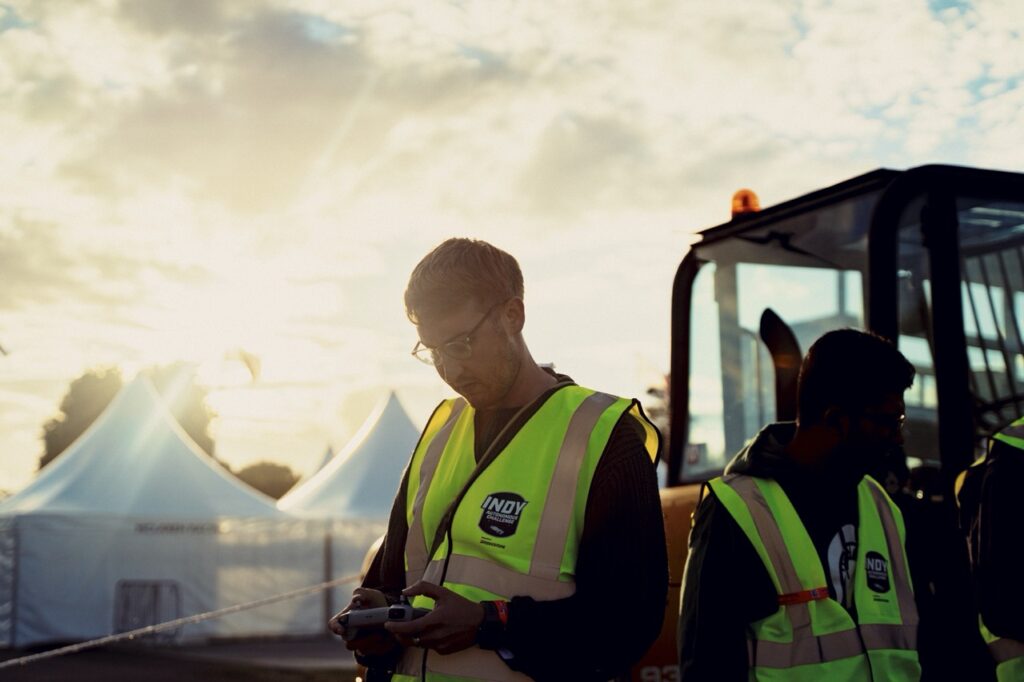
For large-scale technical and motorsport events like the Indy Autonomous Challenge (https://floomcreative.co.uk/indy-autonomous-challenge/), aerial coverage adds both credibility and commercial polish.
Drone filming strengthens sponsorship decks and post-event reports — something many organisers underestimate.
The Legal Side of Drone Filming in the UK
This is where many events run into problems.
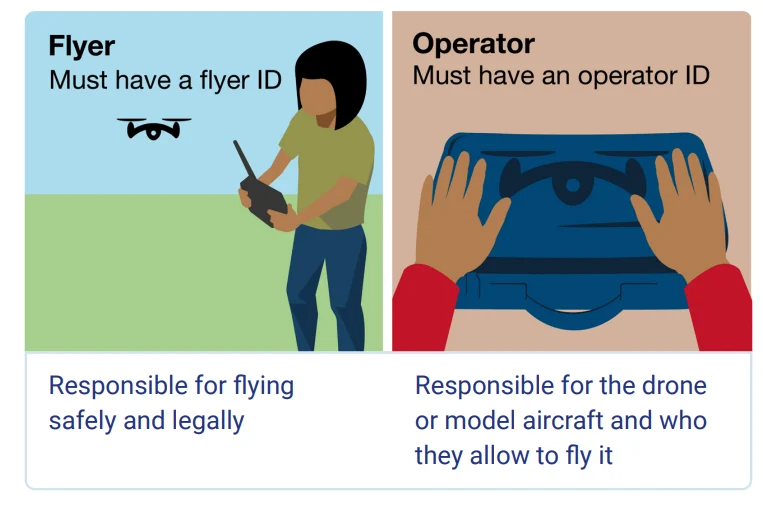
In the UK, commercial drone operation is regulated by the Civil Aviation Authority (CAA). You cannot simply hire someone with a hobby drone and assume everything is compliant.
Professional drone filming requires:
- CAA Operational Authorisation
- Registered operator ID
- Risk assessment and flight planning
- Public liability insurance
- Compliance with crowd separation rules
Flying near large groups of people requires careful planning and adherence to strict safety distances.
If your drone operator cannot provide proof of certification and insurance, you are taking a risk — legally and reputationally.
When Permissions Are Required
In addition to aviation regulations, event organisers often need:
- Landowner permission
- Local council approval
- Coordination with event safety teams
- Restricted airspace checks
- Stadium or venue authorisation
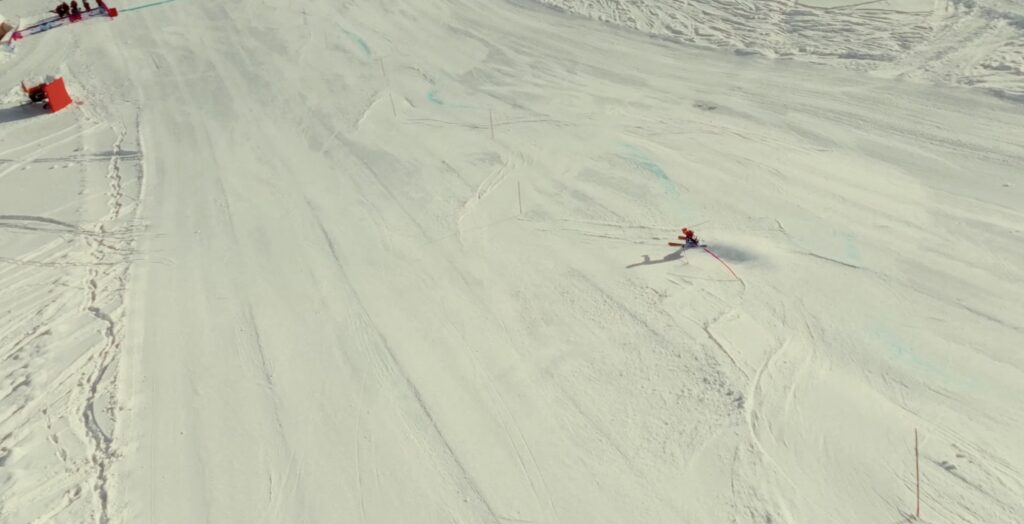
In cities like London, airspace can be heavily restricted.
Professional operators check:
- NOTAMs (Notices to Airmen)
- Controlled airspace
- Proximity to airports or helipads
- Temporary event restrictions
This planning should happen weeks before the event, not the day before.
Planning Drone Shots for Maximum Impact
Drone footage should never be an afterthought.
The most effective aerial coverage is integrated into the wider production plan.
If you’re investing in professional sports videography, it should be part of a structured content strategy — not just a visual add-on. See our dedicated Sports Videographer page: https://floomcreative.co.uk/sports-videographer/
1. Pre-Production Mapping
We plan:
- Key moments (start, finish, crowd build-up)
- Sun direction and lighting
- Route highlights
- Sponsor visibility points
A good aerial shot is about timing and positioning — not just height.
2. Integrating with the Narrative
Drone shots work best as:
- Opening scene setters
- Transition moments
- Emotional closing shots
- Sponsor highlight sequences
They should support the story, not interrupt it.
This is why aerial coverage must align with a broader sports marketing strategy, not just filming logistics. If you’re building a long-term event brand, it’s worth understanding how a dedicated sports marketing agency structures event storytelling beyond a single highlight reel: https://floomcreative.co.uk/sports-marketing-agency/
3. Weather and Contingency Planning
Wind limits, rain and battery logistics all affect drone operations.
Professional crews:
- Monitor weather forecasts closely
- Build contingency windows
- Carry spare batteries
- Have ground-level backup options
This reduces risk on the day and protects your investment.
Common Mistakes Event Organisers Make
Over the years, we’ve seen recurring issues:
- Hiring unlicensed operators
- No formal risk assessment
- Overusing drone footage in editing
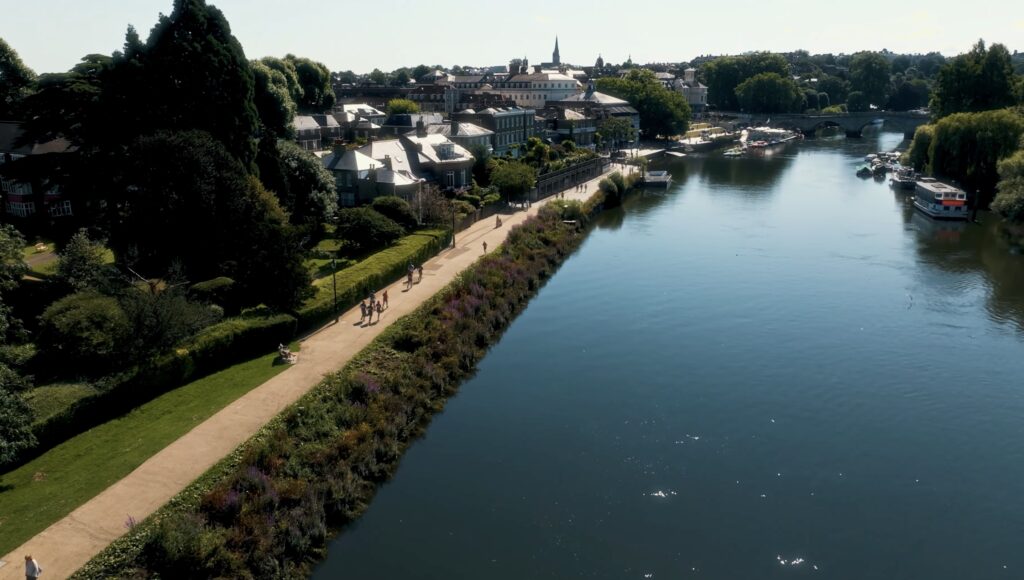
- Flying mid-day in harsh lighting
- Ignoring wind conditions
- Not integrating aerial shots into the narrative
Drone footage is powerful — but only when used strategically.
How Drone Filming Fits into a Sports Content Strategy
Drone footage should serve a bigger purpose.
When planned properly, it can:
- Anchor a hero event film
- Elevate highlight reels
- Power paid advertising campaigns
- Support social media content for months
- Strengthen sponsor reports
- Enhance future event marketing
It’s not just about cinematic visuals.
It’s about increasing the commercial value of your event.
Final Thoughts
Drone filming adds:
Scale
Professionalism
Storytelling depth
Commercial impact
But it must be:
Licensed
Insured
Planned
Strategically integrated
If you’re organising a sports event and want cinematic aerial coverage that’s safe, compliant and built into a wider content strategy, we’d love to talk.
Let’s elevate your event from ground level.